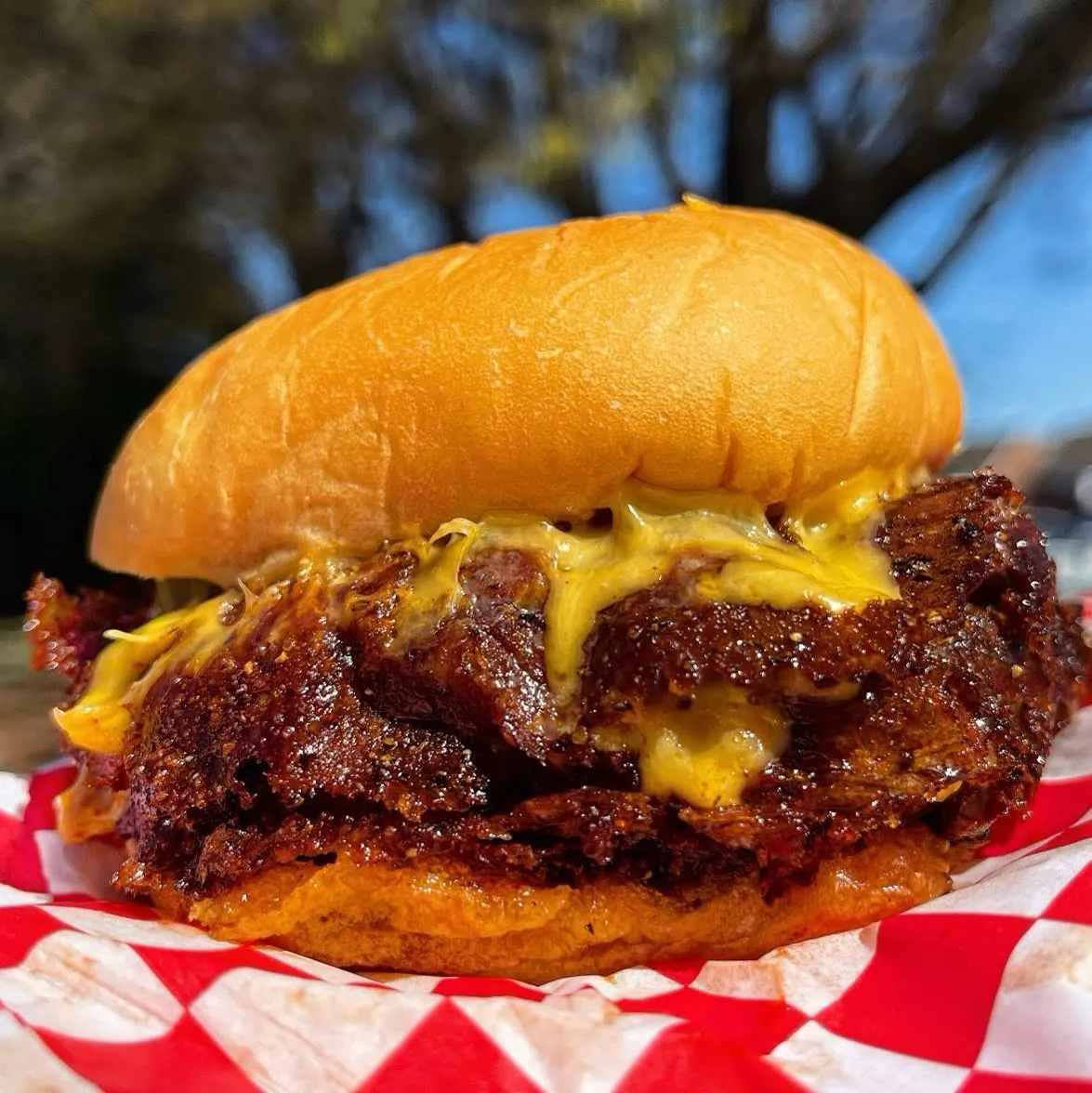
If your smash burger tastes flat, the problem might not be your sauce, your bun, or your life choices. It might just be the beef. The meat is doing most of the work here, so it deserves more than a random package grabbed while you are also trying to remember if you need paper towels.
Quick take: A simple guide to the best beef for smash burgers, including fat ratio, grind size, patty weight, and why 80/20 chuck is the easiest place to start.
Start With 80/20 Ground Chuck
For most people, 80/20 ground chuck is the best beef for smash burgers. That means 80 percent lean meat and 20 percent fat. It has enough fat to fry the edges, keep the patty juicy, and carry salt well. It is also easy to find, which matters because a burger guide that starts with a custom butcher blend can get annoying fast.
You can go fattier. A 75/25 blend can make lacy edges and a richer bite. Some restaurants use blends closer to 70/30. That can be great on a flat-top, but at home it can also mean more smoke, more flare-ups if you are outside, and more grease than some people want to deal with.
Leaner beef can work, but it is less forgiving. A 90/10 patty can brown, but it will not have the same juicy snap. If you are making a smash burger, this is not really the moment to chase the leanest option in the case.
Fresh Ground Helps
Fresh ground beef has a looser texture and better moisture balance. That helps the patty smash into a thin disk without turning into paste. If your store has a butcher counter, ask for fresh ground chuck. If not, buy the freshest package you can and use it soon.
Do not overwork the beef. Shape it into loose balls. You want the meat to hold together, but you do not want it packed like a snowball. A little unevenness is good. Those rough edges can become the crispy bits everyone steals off the plate.
Keep the balls cold until cooking. Cold fat melts slower, which gives you a better shot at crust before the patty dries out. Food & Wine also recommends chilled meat for better smash burger texture and less sticking.
Patty Size Matters More Than You Think
A lot of home burgers fail because the patty is too big. Four or five ounces sounds normal for a burger, but once you smash that much beef, it can cover half the pan. It also takes longer to cook, which can dry it out.
For a single, try 3 ounces. For a double, use two 2-ounce balls. The double is my favorite because each patty gets its own crust. Serious Eats makes the same basic point with its ultra-smashed cheeseburger: two smaller patties can give you more browned crust than one larger patty.
If you want a taller burger, stack patties. Do not make one thick smash patty and hope physics takes the day off.
Do You Need a Fancy Blend?
Short rib, brisket, and sirloin blends sound great. They can taste great too. But you do not need them to make a strong smash burger at home.
Chuck has a beefy flavor and enough fat. That is why it is the default answer. Brisket can bring richness. Short rib can bring deep flavor. Sirloin can bring a cleaner beef taste, but it is leaner. If you mix your own blend, keep the final fat ratio in mind or you will end up with an expensive burger that still eats dry.
The bigger upgrade is often freshness, not a fancy name. Fresh 80/20 chuck cooked right will beat a tired premium blend cooked poorly.
Seasoning the Beef
Season after smashing. Sprinkle salt over the patty once it is flat on the pan. Pepper is fine too, but salt is the important one. Mixing salt into ground beef early can make the texture springy, which is great if you are making sausage and less great if you want a loose smash patty.
You can add garlic powder or onion powder, but go easy. A smash burger should taste like beef first. If the seasoning blend starts smelling like a snack chip, you have probably gone too far.
For most burgers, kosher salt and American cheese do enough heavy lifting. I know American cheese gets judged by people who own too many tiny jars, but it melts well and it belongs here.
Fresh Beef vs. Frozen Beef
Fresh beef is best if you can get it. The texture is looser and it usually browns better. But frozen beef is not automatically a disaster. If you freeze ground beef, thaw it in the fridge and use it as soon as it is fully thawed. Do not thaw it on the counter while you go live your life for five hours.
The bigger issue with frozen beef is moisture. Some packages give off more liquid after thawing. Pat the outside of the beef mass lightly with a paper towel before portioning if it looks wet. You are not trying to dry it out, just remove surface moisture that would steam on the griddle.
If the beef smells off, feels slimy, or makes you pause in a way that feels spiritual, throw it out. A smash burger is not worth gambling with your stomach.
How Much Beef to Buy
For normal appetites, plan on 4 ounces of beef per person if you are making doubles with two 2-ounce patties. If people are hungry, go 6 ounces. If you have sides like fries, onion rings, or a salad you are pretending balances the meal, 4 ounces usually works.
One pound of beef gives you four double smash burgers using two 2-ounce patties each. That is a nice clean number and keeps shopping simple.
If you are cooking for kids, make smaller patties. A 2-ounce single with cheese is plenty for a lot of kids, especially if fries are involved. And if they only eat the bun and cheese, congratulations, you have met children.
The Bottom Line
Buy 80/20 ground chuck, keep it cold, make loose 2 to 3 ounce balls, salt after smashing, and cook hot. That is the simple path.
Once you can make that burger well, try fattier beef or a custom blend. Until then, do not let the meat counter talk you into making dinner harder than it needs to be.
Quick Questions
Is 80/20 beef good for smash burgers?
Yes. 80/20 ground chuck is the easiest and most reliable beef for smash burgers at home.
Can I use 90/10 beef for smash burgers?
You can, but it is lean and less juicy. It usually will not make the same crisp, rich edges.
Should I season ground beef before making balls?
No. Salt after smashing so the texture stays loose and tender.